Health
Educational Wellness Night November 7 2018
 Come and join us for our monthly wellness night for educational tips on various health topics.
November Topics:
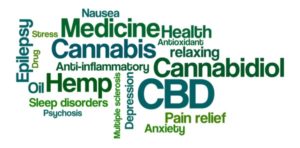
- Learn about the benefits of CBD oil (cannabidiol) derived from natural hemp. We will cover how it works, what conditions may benefit, and answer any questions you may have.
Come find out if CBD oil is right for you? We now carry various CBD Hemp oil products. Learn more
2. What is vibrational energy medicine? Come and hear from Dr. Sherry Shoemaker as she explains the healing power of vibrational tuning fork acupuncture. Learn More

When: Wednesday November 7th. at 5:30 to 7:00 pm.
Please RSVP to Dr. Michele Arnold, Tracey Whitney or Dr. Sherry Shoemaker via telephone or text (858) 613-0792 or email drmichelearnold@gmail.com.
Wellness Night Essential Oils October 10 2018
Come and join us for our monthly wellness night for educational tips on various health topics.
October Topic: Learn about the benefits of the most popular essential oils. We will cover how they work, ways you can use the top 10 oils for your specific concerns, and answer any questions you may have.
We love peppermint, lavender, lemon, frankincense and more!
 Bring your questions, and let us know what you’re interested in.
- Green non-toxic cleaning and household uses
- Insect repellent
- Skin care
- Gardening
- Support for body systems, such as respiratory, cardiovascular, digestive, urinary, immunity
- Calming and soothing effect for sleep or nervous energy
Come find out how to use essential oils?
When: Wednesday October 10, from 5:30 to 7:00 pm.
RSVP: to Dr. Michele Arnold or Tracey Whitney via telephone or text (858) 613-0792 or email drmichelearnold@gmail.com.
Next Month: We will have another wellness night regarding CBD (Cannabinoid oils). Time TBA, most likely a Wednesday night.
Educational Wellness Night August 2018
Come and join us for our monthly wellness night for educational tips on various health topics.
August Topic: Learn about the benefits of CBD oil (cannabidiol) derived from natural hemp. We will cover how it works, what conditions may benefit, and answer any questions you may have.
Come find out if CBD oil is right for you?
When: Wednesday August 22nd. at 5:30 to 7:00 pm.
Please RSVP to Dr. Michele Arnold or Tracey Whitney via telephone or text (858) 613-0792 or email drmichelearnold@gmail.com.
We now carry various CBD Hemp oil products. Learn more
Ten Ways to Cut Sugar Cravings
 10 ways to cut Sugar Cravings
Sugar or glucose is our major life force needed for metabolic energy. Therefore, we need the sweet flavor in our diets. According to Chinese Medicine the whole foods that provide the sweet flavor as well as its beneficial properties are non-glutenous rice, legumes, sweet vegetables such as carrots, winter squash, sweet potatoes, fruit, and dates. The sugars in these foods are balanced with proper minerals.
The simple carbohydrates such as white granulated sugar, brown sugar, turbinado sugar, raw sugar, sucrose, fructose, dextrose, high fructose corn syrup, and agave (is highly processed with chemicals) are not recommended.
Other simple sugars such as maple sugar, rice syrup, unrefined cane juice powder, barley malt, black-strap molasses, malt sugar, raw unpasteurized honey may be eaten sparingly.
When sugars are refined and processed other minerals and naturally occurring enzymes as well as any healthful benefits are lost. Unfortunately, sugar can be addicting and contributes to disease and unhappiness. Many degenerative diseases have been attributed to sugar such as obesity, tooth decay, hypoglycemia, diabetes, high blood pressure, heart disease, anemia, immune deficiency, yeast infections, Candida, and bone loss.
Here are 10 ways to cut sugar cravings!
- Have a non-sweet breakfast containing a protein-rich food. Choose a whole grain or protein such as: eggs, lox, smoked fish, lean poultry sausage, soy products, beans, nuts or seeds. If you choose meats balance them with radishes, mushrooms, potatoes, or salads.
- Eat salty foods sparingly because they contribute to craving sweets. Salty foods may include sea salt, pickles, miso, soy sauce, meats, cheeses, or fish.
- Avoid excess raw fruits and vegetables and juice. Fruits, especially the juice are higher in sugars and leave your blood sugar low creating a desire for more sweets. They are also energetically cooling creating a desire for more warming foods such as sugar. A good rule of thumb for an appropriate proportion of your vegetables and fruits that are eaten cold, raw, or juiced is 5-10% of your daily fruits and veggies. Eat them mostly lightly cooked and warm.
- Eat green leafy vegetables daily, especially if chocolate cravings are a problem. Eat them mostly cooked and warm.
- Drink green tea daily. It helps maintain blood sugar levels, minimizing sugar cravings.
- Avoid artificial sweeteners. Your body responds as if they are actual sugars.
- Reduce or eliminate refined sugars such as, sucrose, fructose, fruit juice, commercial honey, and syrups.
- Get adequate full-spectrum lighting. Natural light is essential for the brain to produce serotonin. Serotonin is a calming brain chemical which can help reduce sugar cravings. Take a 20 minute walk, sit near a bright window, or use full-spectrum lighting in your work place.
- Include good fats with essential fatty acids such as, flax seed, pumpkin, hemp, fish oils, or avocado. Nuts and seeds are best purchased if they are in the shell, sprouted, or are unsalted, and lightly roasted. Raw shelled nuts go rancid quite easily and may harbor parasites.
- Try supplements of magnesium (350-500 mg) and chromium (200-500 meg). Minerals that help stabilize blood sugars. Or use herbs: fennel leaf, licorice root.
May your sweet tooth be satisfied!
Summer Solstice
During  the summer solstice your yang energy reaches its peak. It is important to harness the peak of this yang energy, because as summer shifts into fall yang energy will decline. This great abundance of yang energy will translate throughout your body because during this season you are active and growing.
According to five element theory, during the summer the organ that receives extra energy is the heart. When the seasons change so do the organs we should focus on in the body. You should focus on the heart during summer. Feed the heart heart-nourishing foods and make sure to remain active so the heart receives positive energy. continue reading