Acupuncture
Acupuncture and Physical Therapy: Why More Patients Are Combining Both for Better Recovery
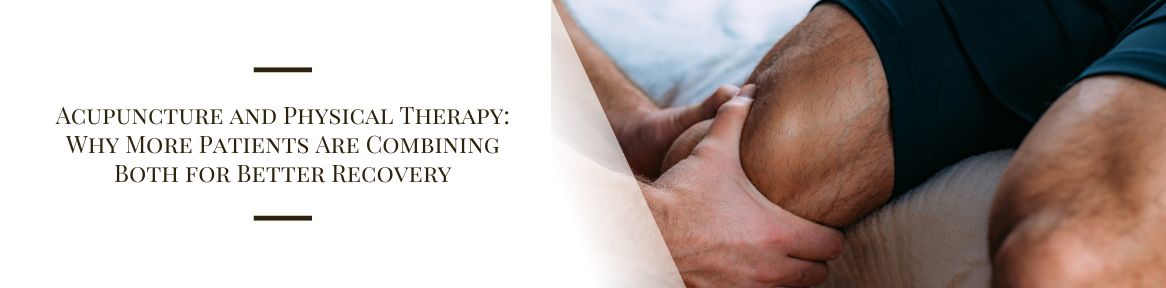
Across hospitals, sports medicine clinics, orthopedic practices, and wellness centers, acupuncture and physical therapy are being used together to help patients recover from injuries, reduce chronic pain, and improve quality of life. Far from competing approaches, acupuncture and physical therapy often complement one another remarkably well. continue reading
Why the Acupuncture Needle?
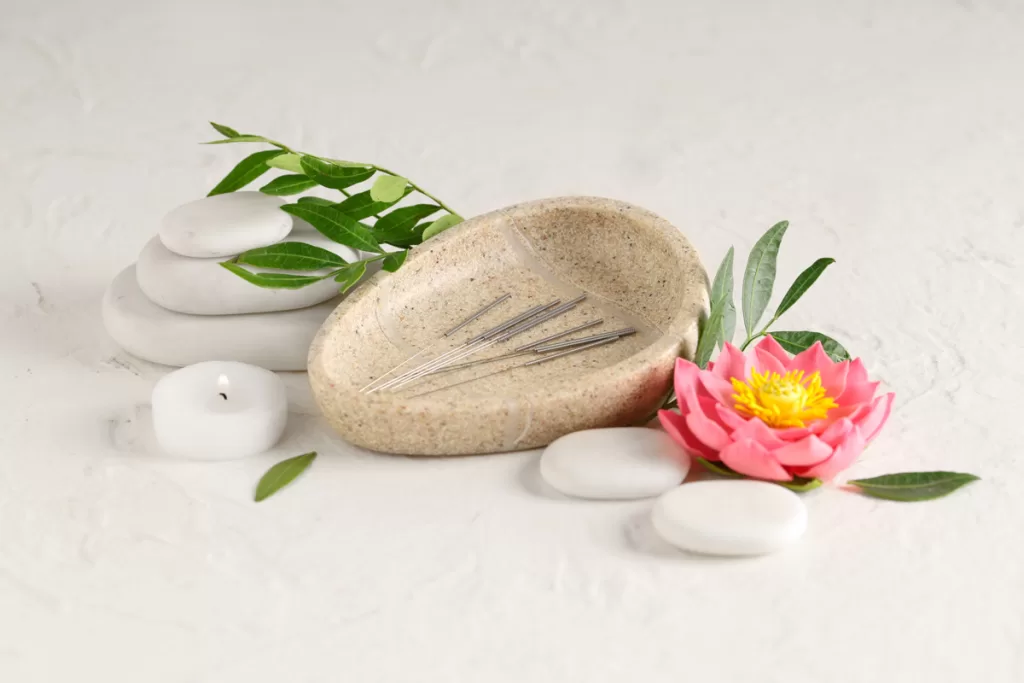 Why acupuncture? How does it work? And why should it often be considered one of the first steps in addressing pain, stress, and many common health conditions?”
“Acupuncture needling is one of the most effective ways to help release tense muscles and fascial restrictions, improve circulation, regulate inflammatory responses, calm the nervous system, and support the body’s natural healing processes.”
~ Michele Arnold, D.A.C.M., L.Ac.
Overview of why acupuncture Works
- Normalization of autonomic nervous system
- Control of pain/Analgesia and its effect on endorphins and neurotransmitters
- Anti-inflammatory and Restorative function
- Surgical analgesia
- Control addictions
- Regeneration of tissue
Acupuncture is an ideal therapeutic modality that can achieve all of these goals.
We still need effective treatment of pain without deleterious side effects of many Western allopathic methods of pain control.
Western medicine areas of pain control
- Surgical
- Anesthetic management
- Chemical management through medications and opioids, OTC, Corticosteroids
- Physical therapies
- Psychological management
What is Acupuncture:
Acupuncture filiform needle + Human Body=Therapeutic Effect. It is a physical stimulus. It is different because it is a more invasive technique.
- The needle creates a tiny, controlled micro‑injury.”
A sterile stainless-steel needle is a foreign object. When it enters the skin, even gently, your body says:
“Something touched me—let me respond.”
This triggers a cascade of natural healing reactions:
- Increased blood flow
- Release of growth factors
- Local immune activation
- Nervous system signaling
- Tissue remodeling
- The needle deforms the tissue around the nerve that controls the muscle.”
This is the motor point explanation.
A motor point is where the nerve enters the muscle. When a needle touches that spot, it gives the nerve a tiny mechanical stimulus.
“It’s like tapping the reset button on a muscle that forgot how to fire.”
The science behind it:
- The needle mechanically stimulates the sensory and motor nerve endings.
- This triggers a spinal reflex (local twitch response).
- The reflex reactivates inhibited muscle fibers.
- Electrical noise at the motor endplate normalizes.
This is why acupuncture helps physical therapy or manual therapies work better afterward.
- The needle increases blood flow to the area, called “profusion.”
Patients often ask: Why does blood flow increase?
Here’s the simple version:
“Tight, painful muscles have poor circulation. The needle relaxes the muscle and signals the body to bring fresh blood to repair the area.”
The physiology:
- Needling reduces sustained contracture.
- Contracture squeezes blood vessels → ischemia (poor oxygenation and nutrition).
- When the muscle relaxes, perfusion increases.
- The micro-injury signals the body to send healing factors.
This is supported by multiple studies showing improved microcirculation after needling.
- The needle sends a message to your brain.
This is where acupuncture goes beyond dry needling.
“Your skin, fascia, and muscles are full of sensory nerves. When the needle touches them, they send signals to your spinal cord and brain. Your brain responds by calming pain, relaxing tension, and balancing your nervous system.”
The science:
- Needling activates A-delta and C fibers.
- These fibers modulate pain processing in the spinal cord.
- The brain responds by releasing endorphins, serotonin, and other neurochemicals.
- Functional MRI studies show acupuncture changes activity in pain, mood, and stress networks.
This explains why acupuncture helps:
- Pain
- Sleep
- Mood
- Stress
- Emotional release
- The needle creates a negative electrical healing charge?
“Your fascia is like a web of connective tissue that carries tension and electrical signals. Acupuncture points sit along natural fascial planes. When the needle gently stretches or vibrates the fascia, it creates a tiny electrical signal that helps tissues communicate and reset.”
The science:
- Fascia is piezoelectric.
- Mechanical deformation creates electrical potentials.
- These influence cellular signaling and tissue repair.
- Acupuncture points correlate with fascial planes and nerve bundles.
This is why acupuncture feels like it “opens” or “releases” something.
- The needle shifts your nervous system out of fight or flight?
“The needle stimulates nerves that talk to your brain’s stress centers. Your brain responds by shifting you into rest-and-digest mode. That’s why you feel calm, clear, and grounded after treatment.”
the science:
- Acupuncture modulates the vagus nerve.
- It reduces sympathetic overdrive.
- It increases parasympathetic tone.
- It regulates the hypothalamic-pituitary-adrenal axis.
This explains emotional release, better sleep, and improved mood.
- The needle boosts the immune system:
“The micro-injury wakes up your local immune cells. They come in to clean up inflammation and repair tissue. This helps your body resolve old injuries that were stuck.”
The science:
- Needling activates mast cells, macrophages, and fibroblasts.
- Leukocytosis and eosinophil increase.
- It increases local cytokine signaling.
- It promotes tissue remodeling.
- It reduces chronic inflammatory stagnation.
This is why chronic pain areas often feel “warm,” “loose,” or “alive” after treatment.
All of it in one sentence:
“The needle gives your body a tiny, precise nudge that wakes up your nerves, improves blood flow, calms your brain, and helps your muscles and tissues heal the way they’re supposed to.”
“Your body is full of sensors. When something touches them — even gently — they respond. The needle is like tapping a reset switch. It wakes things up, reorganizes the area, and tells your body to fix what’s been stuck.”
Don’t wait until the problem becomes chronic. Schedule an appointment today to discover your unique pattern diagnosis, address the root causes of imbalance, relieve pain, release tension, calm the mind, and feel better in your body, your mind, and your life. Call today or book online.
Call or text Dr. Michele Arnold at (858) 613-0792. Book online go to:
Looking Beyond the Diagnosis: A Whole-Body Approach to Arthritis and Joint Pain

Many people come to my office after being told they have arthritis, degeneration, bone-on-bone changes, tendonitis, bursitis, stenosis, or other structural findings.
While these diagnoses can be important, they do not always tell the whole story.
Two people with the same X-ray can experience very different amounts of pain, mobility, stiffness, and limitation.
That’s because pain is influenced by more than a single joint.
Muscle tension, circulation, inflammation, breathing patterns, stress, digestive health, movement habits, tissue mobility, and nervous system regulation can all play a role.
Rather than treating only the diagnosis, I look for the patterns contributing to your symptoms and create an individualized treatment plan designed to help you move better, hurt less, and return to the activities you enjoy.
Restorative Acupuncture & Integrative Bodywork
Based on your unique pattern and presentation.
We restore function, reduce pain, and improve resilience through whole-person, pattern-based care.
Schedule your appointment today
https://acusimple.com/access/627
How Acupuncture Is Helping Patients Finally Sleep Again
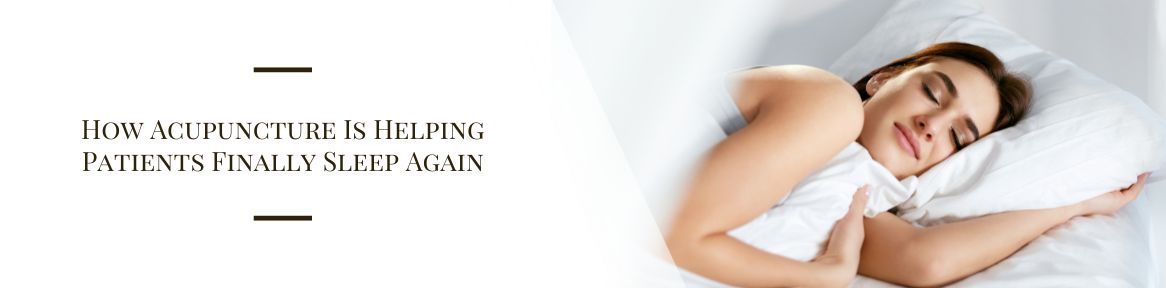
It’s 2:17 a.m., and you’re staring at the ceiling for the fourth night in a row. You’ve already tried melatonin, herbal teas, blackout curtains, white noise machines, and sleep apps reminding you to “relax,” but your mind is still racing through tomorrow’s responsibilities. Your body is exhausted, but your brain refuses to cooperate and by morning, you are irritable, foggy, and disconnected from yourself.
What you are experiencing is increasingly common. Insomnia affects millions of people worldwide, and for many, it becomes more than an inconvenience. Chronic sleep deprivation can impact mood, cognitive performance, immune health, hormone balance, cardiovascular function, pain perception, and overall quality of life. While prescription sleep medications can offer temporary relief, many people are searching for long-term solutions that address the root causes of sleeplessness rather than simply sedating the body. continue reading
Acupuncture for Stroke Recovery: Rebuilding the Brain
When a stroke hits, life can change in an instant. One moment you’re preparing breakfast before work, and the next you’re on the kitchen floor unable to move one side of your body. The weeks that follow are then filled with hospital visits, rehabilitation appointments, and often frustration. Tasks once performed automatically like buttoning a shirt, lifting a coffee cup, or speaking clearly, become daily battles.
Months of physical therapy can then follow, but progress is often slow. Speech can remain slurred and fatigue can be relentless. Many are desperate for additional help and can look to acupuncture to help with recovery. While acupuncture is not a replacement for emergency medicine or rehabilitation therapy, growing clinical research suggests it may offer meaningful benefits for some patients recovering from stroke. continue reading