
- Take your health to the next level. Subscribe to our mailing list for your FREE eBook.“5 Ways to End Chronic Pain for Good!”


Latest Articles:
- • Add These 10 Immune-Boosting Foods to Your Fall Diet •
- • Keep Your Skin Healthy and Glowing with these Fall Skincare Tips •
- • Beat End of Year Burnout with these Fall Self-Care Rituals •
Diet
Walnuts and Your Brain
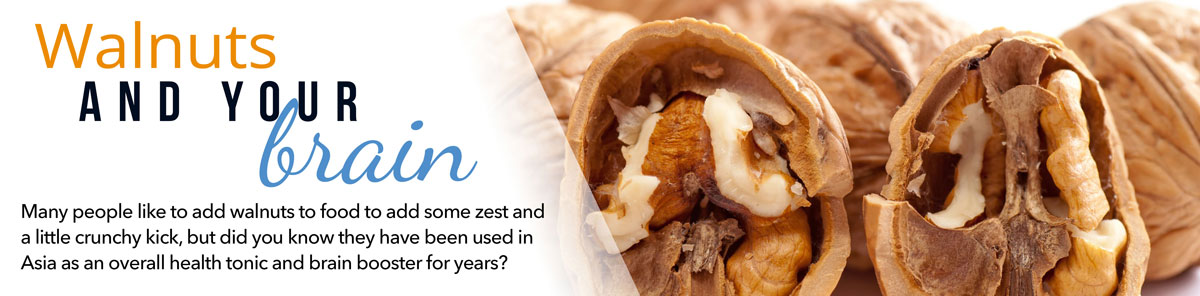
Many people like to add walnuts to food to add some zest and a little crunchy kick, but walnuts are much more than a flavor additive, as they are chock full of healthy properties and have been used in Asia as an overall health tonic and brain booster for years. Let’s take a nutty look at walnuts. continue reading
Healthy Eating According to Traditional Chinese Medicine
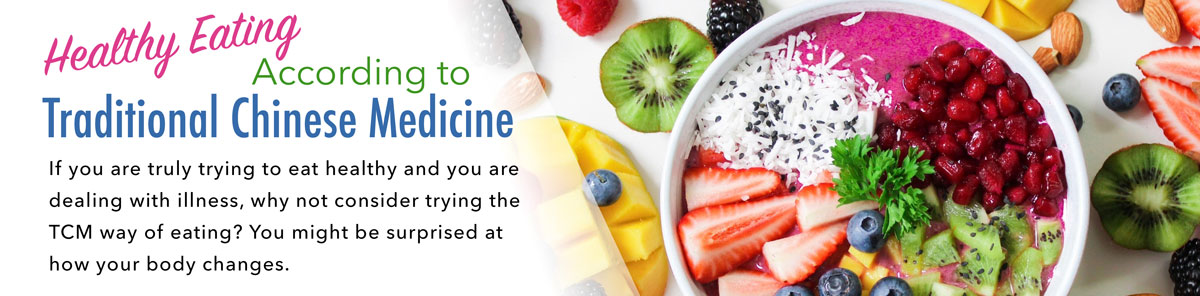
Do you consider yourself a healthy eater? Do you follow the guidelines set forth by the government for healthy eating? Or have you gone rogue? There are as many different definitions of healthy as there are colors in the rainbow. But according to traditional Chinese medicine, there are certain guidelines that will keep the body happy and healthy throughout life. Let’s explore this a little deeper. continue reading
Eating Right for Your Body Type
Five Elements
Traditional Chinese Medicine, a medical system that has been around for nearly 3,000 years, views the body differently than modern medicine. When the body is broken down to its core, its tiniest molecules can be classified as energy. This means every element of the universe resides within the human body, to some degree. And every organ has its own properties and energies that must remain balanced for the body to function properly. The energies within the body must be a perfect synergy of elements. This allows for homeostatic balance, biochemical balance, longevity and harmony between the body and mind. continue reading
Ten Ways to Cut Sugar Cravings
 10 ways to cut Sugar Cravings
Sugar or glucose is our major life force needed for metabolic energy. Therefore, we need the sweet flavor in our diets. According to Chinese Medicine the whole foods that provide the sweet flavor as well as its beneficial properties are non-glutenous rice, legumes, sweet vegetables such as carrots, winter squash, sweet potatoes, fruit, and dates. The sugars in these foods are balanced with proper minerals.
The simple carbohydrates such as white granulated sugar, brown sugar, turbinado sugar, raw sugar, sucrose, fructose, dextrose, high fructose corn syrup, and agave (is highly processed with chemicals) are not recommended.
Other simple sugars such as maple sugar, rice syrup, unrefined cane juice powder, barley malt, black-strap molasses, malt sugar, raw unpasteurized honey may be eaten sparingly.
When sugars are refined and processed other minerals and naturally occurring enzymes as well as any healthful benefits are lost. Unfortunately, sugar can be addicting and contributes to disease and unhappiness. Many degenerative diseases have been attributed to sugar such as obesity, tooth decay, hypoglycemia, diabetes, high blood pressure, heart disease, anemia, immune deficiency, yeast infections, Candida, and bone loss.
Here are 10 ways to cut sugar cravings!
- Have a non-sweet breakfast containing a protein-rich food. Choose a whole grain or protein such as: eggs, lox, smoked fish, lean poultry sausage, soy products, beans, nuts or seeds. If you choose meats balance them with radishes, mushrooms, potatoes, or salads.
- Eat salty foods sparingly because they contribute to craving sweets. Salty foods may include sea salt, pickles, miso, soy sauce, meats, cheeses, or fish.
- Avoid excess raw fruits and vegetables and juice. Fruits, especially the juice are higher in sugars and leave your blood sugar low creating a desire for more sweets. They are also energetically cooling creating a desire for more warming foods such as sugar. A good rule of thumb for an appropriate proportion of your vegetables and fruits that are eaten cold, raw, or juiced is 5-10% of your daily fruits and veggies. Eat them mostly lightly cooked and warm.
- Eat green leafy vegetables daily, especially if chocolate cravings are a problem. Eat them mostly cooked and warm.
- Drink green tea daily. It helps maintain blood sugar levels, minimizing sugar cravings.
- Avoid artificial sweeteners. Your body responds as if they are actual sugars.
- Reduce or eliminate refined sugars such as, sucrose, fructose, fruit juice, commercial honey, and syrups.
- Get adequate full-spectrum lighting. Natural light is essential for the brain to produce serotonin. Serotonin is a calming brain chemical which can help reduce sugar cravings. Take a 20 minute walk, sit near a bright window, or use full-spectrum lighting in your work place.
- Include good fats with essential fatty acids such as, flax seed, pumpkin, hemp, fish oils, or avocado. Nuts and seeds are best purchased if they are in the shell, sprouted, or are unsalted, and lightly roasted. Raw shelled nuts go rancid quite easily and may harbor parasites.
- Try supplements of magnesium (350-500 mg) and chromium (200-500 meg). Minerals that help stabilize blood sugars. Or use herbs: fennel leaf, licorice root.
May your sweet tooth be satisfied!
What Should I Eat to be Healthy
What to eat and what not to Eat: The Chinese Medicine Way to Healthy, Enjoyable Eating.
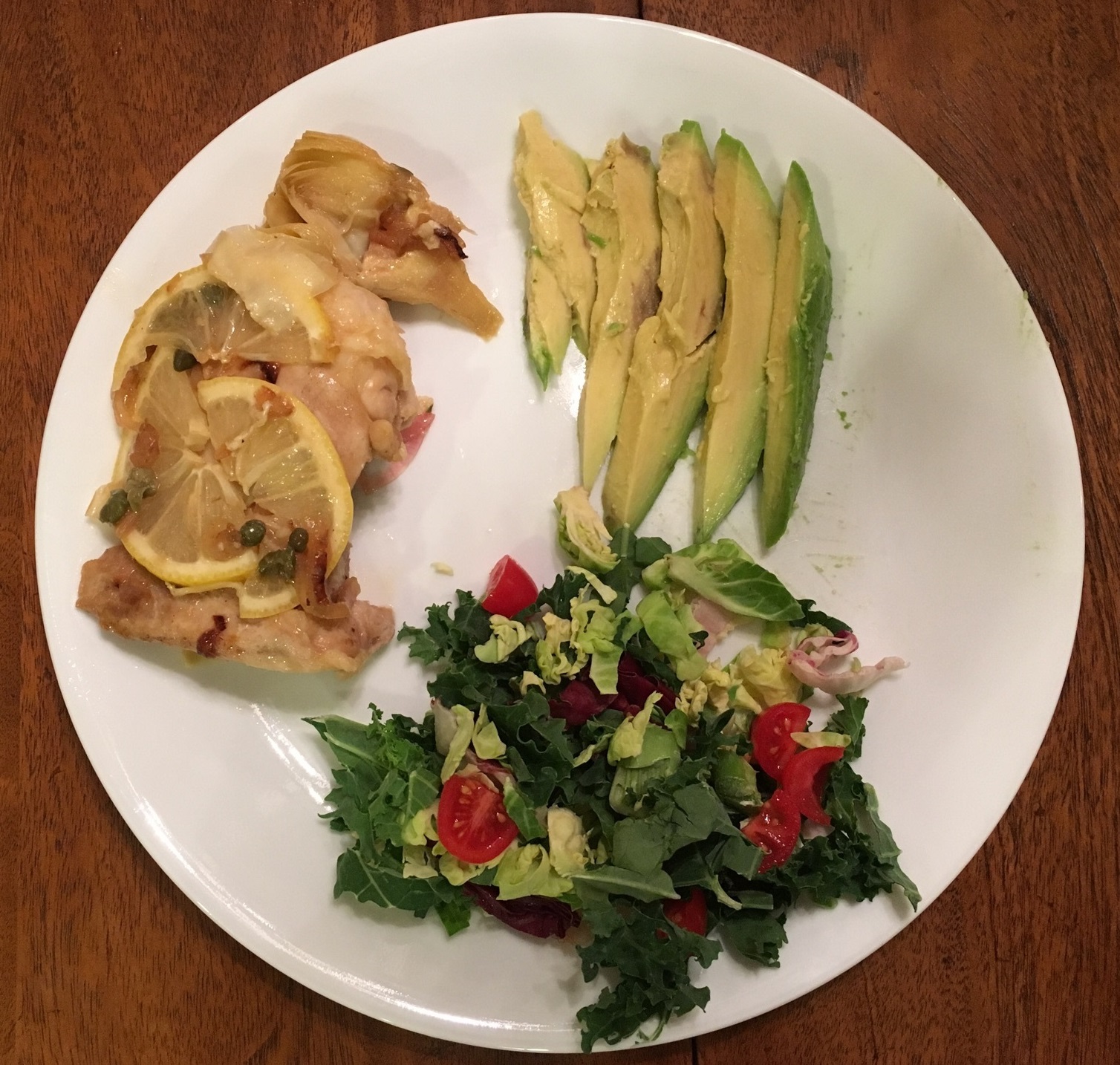
What should I eat to be healthy? That is a question I believe a lot of people are asking these days. If you are noticing signs of aging, are overweight, are considered obese, underweight, have diabetes, heart disease, auto-immune disorder, cancer, or you just plain want to stay healthy, you might be wondering which diet therapy is best for you.
I believe that a whole foods diet based mostly on plants, while taking into account individual needs, without all the processed foods, is the way to go. This is not a new way of eating, rather it is based on ancient Chinese Medical philosophy. The ancient way to eat for modern people.
In addition, mindfulness while eating plays an important part. One should eat in a calm and relaxed manner without rushing. Avoid stressful interactions during a meal, including television and reading. Be sure to always chew food thoroughly. Avoid overeating, or excessive fasting.
Foods to avoid are excessive raw, cold foods, iced drinks, excessive dairy, oily, greasy, fried foods, refined sugar, processed white flour products, excessive meat consumption, and excessive alcohol intake.
The process of digestion, and general nutritional requirements are the same, thus there are general guidelines to follow for a healthy spleen-Qi (chi)-digestive system. However, some people may have slightly different needs depending on their body type, lifestyle, climate, culture, or pattern of disharmony.
The general guidelines for a healthy spleen-Qi digestion will be explained in the next post. Stay tuned…