13 Habits for Good Health
General Philosophy of Chinese Medicine and Healthy Eating
-Traditional Chinese Medicine (TCM) meals focus on whole plant foods including vegetables, beans, sea vegetables, rice, millet, and other grains, with smaller amounts of animal foods such as meat, poultry, and fish than the typical American diet.
-Animal products, fats, oils, are considered concentrated foods; so, although, individual needs vary for animal products, it generally takes a smaller amount than plant foods for balanced health.
There are some General Food Rules for Balanced Health for all constitutional types and patterns of imbalance. These guidelines help to Balance and prevent the signs of weak, damp spleen-pancreas Qi and poor digestion. Spleen-pancreas Qi is explained further below.
-Most food in TCM can be used therapeutically depending on quantity (dose dependent), quality, season, and needs of the person. This even includes coffee and chocolate.
-When out of balance, or when a pattern of disharmony is present, Chinese Medicine (TCM) emphasizes specific foods and restricts others to balance the organs and pattern of disharmony contributing to signs of discomfort and disease.
First, it is imperative to understand what healthy digestion is before any guidelines can make sense.
-Good Digestion is Good Spleen-Pancreas Qi, it
Requires appropriate food choices for one’s individual body pattern. Each person may differ in physical needs, mental, emotional tendencies; we each respond differently to foods.
Foods we think are good for us can lead to digestive and other health problems if we are unable to assimilate them properly.
Good habits to engender good digestion and spleen Qi: for Balanced Health for all constitutional types and patterns of imbalance. These guidelines help to Balance and prevent the signs of weak, damp spleen-pancreas Qi and poor digestion. These are good habits and foods to eat regularly.
Follow the 80/20 rule, ALWAYS!
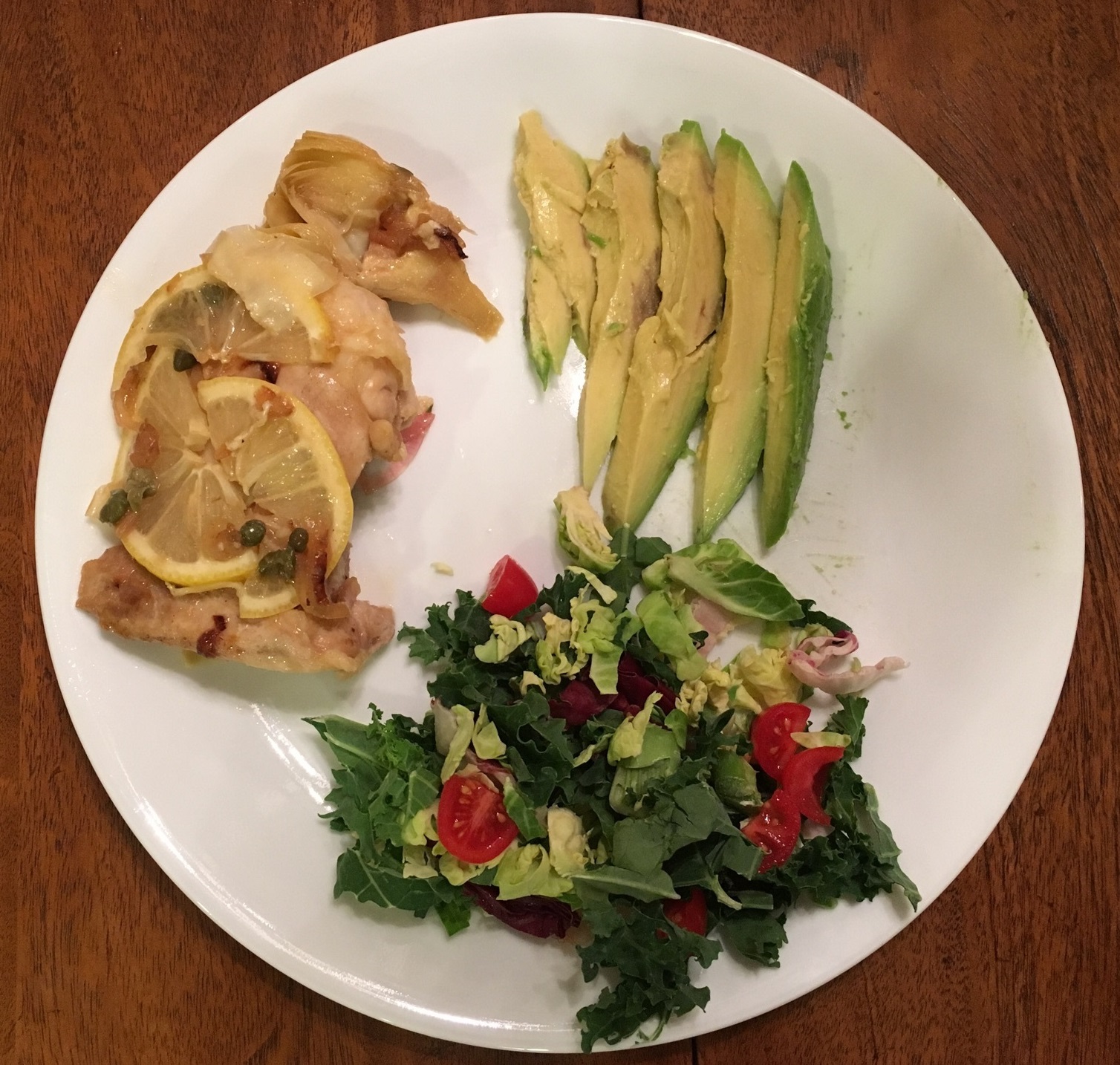
- Fill your plate with 80% greens and vegetables, 20% proteins and good fats.
- Stop eating when you’re 80% full.
- Eat 3 regular meals each day; develop a routine with 25% food intake at breakfast, 50% at lunch, and 25% at dinner.
- Take time out for relaxation
- Enjoy meals in a calm state, don’t eat standing up or while working or reading.
- Chew food thoroughly, eat slowly, it takes 20 min. for your stomach to know it’s full.
- Choose foods appropriate for your constitution
- Most meals should be warm
- Most meals should provide a balance of 5 flavors or tastes, sour, bitter, sweet/bland, spicy/pungent, salty, and vary the types of foods you eat; 20% each.
- Most meals should provide a balance of 5 colors, reds, yellow-oranges, greens, purple-dark, white-tan; 20% each.
- Meals should leave you feeling satisfied but not full. 80/20 rule
- Regular sleep patterns
- Regular exercise, at least 3-5 times per week.
 Every February men all over the world flock to the local flower shops and jewelry stores in search of the perfect bouquet or piece of jewelry to express their undying love to their significant other. Why? Nobody knows for certain, but there are at least a couple of theories.
 While the flu is actually not a season, we have become programmed to think of it as the months of November through March. On average, the flu hospitalizes thousands every year, especially the young and elderly. There are also a number of deaths related to the flu, mostly due to people already having compromised immune systems.