 Colon cancer is the third most common cancer in the United States with about 60,000 deaths from it every year. Like all cancer, treatment can be long, uncomfortable and come with many side effects. Those getting chemotherapy may experience nausea, vomiting, postoperative pain, cancer related pain, insomnia and anxiety. The chronic pain can significantly impact quality of life. Most patients are prescribed medications such as opioids for pain that have side effects and are highly addictive. continue reading
Acupuncture and colon cancer
Posted in Acupuncture, Cancer
Tagged chemotherapy, colon cancer, immune system
Comments Off on Acupuncture and colon cancer
Should I Take Turmeric?
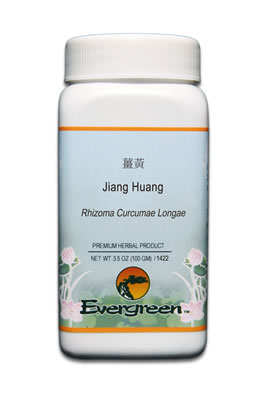
Should I Take Turmeric?
Have you been wondering about whether or not you should take Turmeric because it was recommended by your doctor, or you have seen it advertised? I find this a bit annoying because it is indiscriminately recommended for everyone. So, let’s look at what it’s for.
Turmeric is an Indian spice and can be used as an herbal supplement. It contains Curcumin, the primary chemical constituent that gives it its anti-inflammatory properties along with its yellow color. It widely used as one of the spices in curry powder. It has become very popular, and is widely recommended as a dietary aid for inflammation and pain. Some people have questions about it, and they wonder whether or not they should be taking it. It may help if I break down its uses, and clarify when it wouldn’t be appropriate for someone to take it.
In Chinese Medicine this herb is called Jiang Huang (Turmeric). Its flavors are spicy, bitter, and has an energetic warming affect on the body.
This herb helps blood circulation, and breaks up coagulation that may be the cause of pain related to traumatic injury, and it helps speed healing. It moves Qi-energy of the liver, which means that it protects the liver from toxins, has antioxidant qualities, lowers cholesterol, reduces menstrual pain, and decongests the liver. The bitter and warming qualities improves joint swelling, shrinks uterine tumors, dissolves gallstones, and improves ligament flexibility. Dosage as a single herb is 1/4 to 1/2 tsp. daily. It is best when taken along with cinnamon bark (Rou Gui) or cinnamon twig (Gui Zhi) for dysmenorrhea, or joint pain such as in the shoulders. It is usually added as an adjunct herb to enhance effects for relieving menstrual pain in an herbal formula such as Bupleurum and Dang Gui (Xiao Yao Wan) for instance.
This herb is not for you if you have blood deficiency without stagnant Qi-energy or blood stasis. This means you don’t experience localized pain of a deep, sharp and piercing nature and inflammation that is worse at night, that is swollen, or you don’t have palpable solid, immobile masses, dark complexion, purple lips, fragile dry hair and skin, a purple tongue with purple spots. If you feel weak, exhausted, have a pale complexion, experience light thin menstrual blood flow during your periods, dizziness, pale tongue or conjunctiva this herb is not for you. Use caution if you are taking an anti-coagulant, anti-platelet medication.
I hope this helps?
*How Herbs are Prescribed in Chinese Medicine
*Let me start by saying that using herbs and spices in your cooking for flavoring is not necessarily the same thing as taking them as an herbal supplement. Although, there may be some dietary value, there is not necessarily a therapeutic value that comes with potency and dosage. The spices and herbs found in your spice isle of the supermarket are going to be of a different quality, grade, and concentration than that found in an herbal tea or supplement. Chinese Herbalists use high quality pharmaceutical grade herbs with high potency and bio-availability along with correct species identification. The dosage matters as well. In addition, herbs aren’t typically given singly, they are compounded together in a balanced formula that may include anywhere from two to ten or more herbs. This way each herb works in a synergistic manner, and counteracts any negative affects. This is much safer than taking only one ingredient long term. As an example, you will find quite often that fresh ginger (Sheng Jiang), honey-fried licorice (Zhi Gan Cao), and red dates (Da Zao) are added to formulas to protect your stomach, and to harmonize all of the ingredients together. Chinese Angelica Root (Dang Gui) is often combined with Ligusticum (Chuan Xiong), and White Peony (Bai Shao) to nourish blood, regulate the movement of blood, and sooth PMS symptoms and pain without causing too much thinning of blood, hemorrhage, or blood stasis and coagulation. The flavors of bitter, sweet, spicy, salty, or sour as well as the energetic temperature of hot, warm, cooling, cold, have beneficial qualities on the body. The herb’s flavors and temperature are taken into consideration when choosing an appropriate herbal remedy per one’s constitution. Curcumin (Yu Jin) is spicy, bitter and cooling on the body. Thus, it may not be for everyone. You would need to consult with an expert herbalist that can evaluate your constitutional pattern of disharmony and recommend an appropriate herbal formula.
Posted in Chinese Medicine
Comments Off on Should I Take Turmeric?
Release Stress in 10 minutes
I Help Busy Professional Men And Women, Moms, And Grandmas, Like You,
Reduce Your Stress, So You Can Feel More Passion, Purpose, And Joy In Your Life!
Release Stress For Busy Men And Women.
Is stress ruining your life? Are your relationships suffering, is your work life not what it should be? Is it affecting you physically with headaches, muscle tension, high blood pressure, digestive issues? Does it keep you awake at night?
- Stop feeling out of control, unorganized, irritated, short tempered, overwhelmed, or repressed without a sense of purpose!
- Instead feel refreshed, confident, vibrant & ready for the day every morning!
- Find passion, clarity and purpose with the ability to handle life stresses.
- Build up those relationships, find forgiveness, while feeling calm, collected, sure and confident.
The Acupuncture Stress Less Feel Your Best Program is specific for your needs using Acupuncture and Essential Oils
Initial Consultation and Treatment $130
Subsequent visits $95
Package of Four treatments $340. This level of sustained care and healing will make an incredible impact on your well-being. Two sessions per week for the first 2 weeks, then 4-6 weeks of weekly and bi-weekly sessions.
*Do I accept insurance? No, but I will supply you with a super bill for your FSA or HSA account if needed.
We all have stress. Stress at work, stress at home, stress, stress, stress. And most of us know how harmful chronic stress can be to our bodies and minds. Stress can cause us to be fatigued, irritable, sad, restless, anxious and unmotivated. It can also lead to detrimental habits like smoking, drinking, drug usage and overeating.
What if you could combat and alleviate stress in 10 minutes or less? Your body, family, friends and co-workers would probably thank you. So, let’s explore three easy ways to fight off everyday stress. Here are some great tips! continue reading
Posted in Chinese Medicine
Comments Off on Release Stress in 10 minutes
All About Moxibustion
Traditional Chinese Medicine is a medical system that incorporates numerous methods for treating disease and illness. One of the tools found in the toolbox of the TCM practitioner is known as moxibustion.
Moxibustion is a technique that involves the burning of mugwort, known as moxa, which is an herb that facilitates healing. The purpose of moxibustion is to stimulate the flow of Qi (pronounced “chee”), strengthen the blood and maintain general health. Qi is translated as life energy. There are two types of moxibustion, direct and indirect. Direct moxibustion uses moxa shaped into a small cone and is placed on top of an acupuncture point and burned. This type of moxibustion has two subcategories, scarring and non-scarring. Scarring moxa burns until it distinguishes on its own. This may lead to localized scarring and blisters. Non-scarring moxa allows for the moxa to be placed on the acupuncture point, lit, extinguished and removed before it burns the skin. continue reading
Posted in Acupuncture, Traditional Chinese Medicine
Tagged moxibustion, qi
Comments Off on All About Moxibustion
Heart Afire: The Fire Element
The organs in Chinese medicine are more than just a physical representation. The organs include not only their physiological function, but also their mental, emotional, spiritual and elemental qualities that align with nature and the seasons. Let’s explore the heart.
The heart season is summer, and heart is considered the most yang: hot, bountiful and abundant. Yang is what is bright, moving, outward, hot and loud. Yin is what is more inward, still, dark and cooler. The color of the heart is associated with red, the climate is heat, the flavor is bitter and it’s paired organ is the small intestine (many urinary issues are due to “heart fire” heat descending). The sense aligned with heart is the tongue, and the vessels associated with heart are the tissues. The heart sound is laughing, and the emotion is joy. The heart houses what is known as the shen, which is the mind and spirit. continue reading
Posted in Acupuncture, Traditional Chinese Medicine, Wellness
Tagged health, heart, tcm
Comments Off on Heart Afire: The Fire Element