Pain Management
Why Acupuncture Should Be Your First Step for Sprains, Strains, and Musculoskeletal Pain
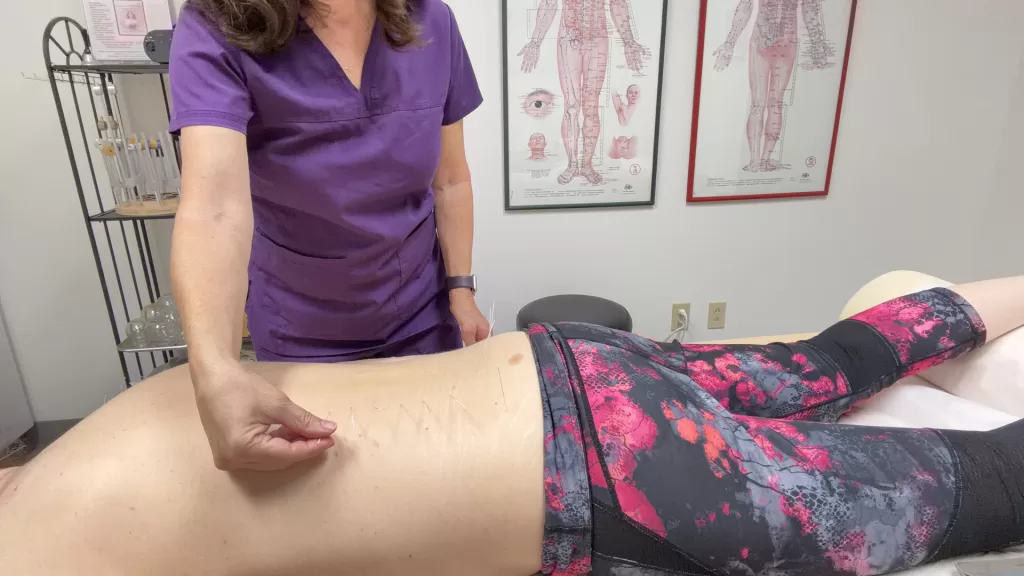 When you’re hurting—whether it’s a sprain, strain, tight shoulder, arthritic knee, or chronic back pain—the first thing most people are told is: “Go do physical therapy. Do your exercises.”
But here’s the problem…
If your muscles are shut down, inhibited, or stuck in a pain cycle, they simply cannot respond to exercise yet. It’s like trying to strengthen a light bulb that isn’t plugged in. It’s putting the cart before the horse.
This is why so many people feel frustrated when PT or home exercises don’t help—or even make things worse.
There’s a better order of care:
First restore proper muscle activation → THEN strengthen and rehab.
And this is exactly where acupuncture and dry needling shine.
Your Muscles Need to “Wake Up” Before They Can Get Stronger
Pain, inflammation, and joint degeneration can cause muscles to switch off. This is a protective reflex, but it also prevents healing.
Acupuncture and dry needling directly stimulate the nerves that activate those muscles. When a tiny needle reaches the motor point of a dysfunctional muscle, it often produces a quick “twitch”—a spinal reflex that reboots the muscle’s ability to fire.
Research shows this helps:
- Normalize abnormal electrical activity in the muscle
- Reactivate inhibited motor units
- Improve neuromuscular junction function
- Reduce painful muscle contracture
Once the muscle is firing again, exercise finally works.
Better Blood Flow = Better Healing
Injured or tight muscles often have poor circulation. They’re stuck in a low‑oxygen, high‑tension state.
Needling helps reverse this.
Studies show that acupuncture and dry needling increase local blood perfusion, meaning more oxygen, nutrients, and healing factors reach the injured area. This helps tissues recover faster and reduces the “locked up” feeling many patients describe.
Better blood flow also means:
- Less inflammation
- Less stiffness
- Better mobility
- Faster recovery
Pain Drops, Sleep Improves, Mood Lifts
Pain isn’t just physical—it affects your whole life.
Acupuncture has been shown in neuroimaging studies to influence major brain networks involved in:
- Pain processing
- Stress response
- Emotional regulation
- Sleep quality
This is why patients often say:
- “I feel calmer.”
- “I slept better.”
- “My mood feels lighter.”
- “I can move without guarding.”
Dry needling helps locally, but acupuncture goes further by affecting the central nervous system, helping your whole body shift out of the pain‑stress cycle.
When you sleep better and feel better, your body finally has the energy to heal.
Movement Improves—Then Rehab Works
Once muscles fire properly and pain is reduced, movement becomes easier and more natural. You’re no longer fighting your own body.
This is the perfect time to begin:
- Physical therapy
- Strength training
- Mobility work
- Home exercises
- Posture correction
- Rehab programs
Your body is now ready to respond.
This is why acupuncture should be the first step, not the last.
Why So Many PTs and Chiropractors Want Needling in Their Scope
Because they see the difference.
Needling helps their patients:
- Get better faster
- Have longer‑lasting results
- Respond better to exercise
- Reduce pain more quickly
- Improve range of motion
- Activate inhibited muscles
It makes their work more effective.
But acupuncture goes even further by using point combinations that share nerve pathways, allowing deeper and more systemic healing—something dry needling alone cannot achieve.
“The needle gives your body a tiny, precise nudge that wakes up your nerves, improves blood flow, calms your brain, and helps your muscles and tissues heal the way they’re supposed to.”
Putting It All Together
If you’re dealing with:
- Sprains
- Strains
- Tendonitis
- Chronic tightness
- Arthritic pain
- Muscle inhibition
- Post‑injury weakness
- Movement limitations
Start with acupuncture or dry needling.
Let your muscles wake up. Let your nervous system calm down. Let your blood flow improve. Let your pain decrease. Let your sleep restore you.
Then begin your exercises, rehab, and strengthening.
This simple shift in treatment order can dramatically change your healing timeline—and your long‑term results.
Don’t wait, make your appointment now.
Book online or call or text Dr. Michele Arnold at (858) 613-0792.
Sources:
- Springer
A Narrative Review of Effects and Underlying Mechanisms of Needling Therapy for Treating Myofascial Pain and Musculoskeletal Disorders | Innovations in Acupuncture and Medicine | Springer Nature Link
https://link.springer.com/article/10.1186/s44424-025-00015-1
- Archives of Physical Medicine and Rehabilitation
Neurophysiological Effects of Dry Needling: A Systematic Review and Meta-analysis – Archives of Physical Medicine and Rehabilitation
https://www.archives-pmr.org/article/S0003-9993(25)00887-1/abstract
- Frontiers
Frontiers | Decoding the mechanisms of acupuncture by neuroimaging: an integrated review from networks to molecules
https://www.frontiersin.org/journals/human-neuroscience/articles/10.3389/fnhum.2026.1704570/full
How Acupuncture Complements Sports Medicine: An Integrated Approach
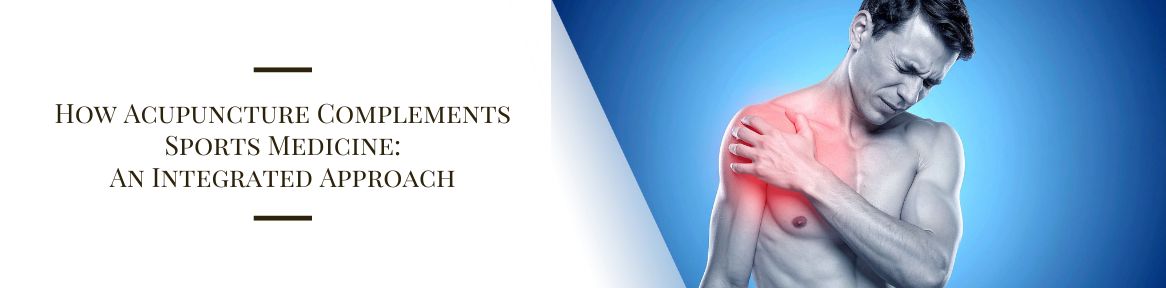
Modern sports medicine has evolved far beyond rest, ice, and painkillers. Today’s athletes, both professional and recreational alike, are increasingly supported by multidisciplinary care teams that may include physicians, physical therapists, athletic trainers, chiropractors, nutritionists, and mental performance coaches. Within this integrated model, acupuncture has emerged as a powerful complementary therapy, bridging ancient medical wisdom with contemporary sports science. continue reading
Cupping + Acupuncture: More Than the Sum of its Parts
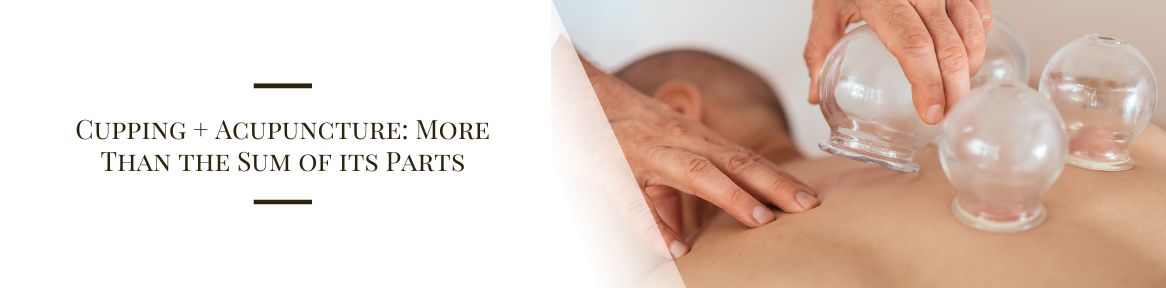 Do any of these scenarios sound like your life: a stubborn knot between the shoulder blades, a low-back flare that keeps returning, or a neck that feels “stuck” after long hours at a desk? Acupuncture needles can calm the nervous system and change pain signaling and cupping can mechanically decompress tight tissue and improve local circulation. Used together thoughtfully and safely they’re often paired to help pain move from “sharp and guarded” to “dull and workable,” and then to “resolved or manageable.” continue reading
Acupuncture & Athletes: A Winning Combination
Whether a weekend warrior or a seasoned semi-professional or professional competitor, athletes are always looking for that competitive edge, the thing that can keep them healthy and give them a bit more in the tank to defeat the competition.
Sports acupuncture is a great tool athletes can use as part of their overall health care strategy. Sports acupuncture is a hybrid form of acupuncture and sports medicine that is specifically used to support sports-related activity. Athletes and runners especially can use sports medicine acupuncture to relieve pain, accelerate the healing of sports related injuries, improve performance, and increase muscle flexibility. Let’s unpack each of these benefits and see just how sports acupuncture can be used to treat athletes. continue reading