
 We have lost our way — in digestion, blood sugar, obesity, metabolic disease, cultural bias, and the erosion of common sense.
*Authors Note about this pre-article as an introduction to my two book pairings —”Elemental Nourishment” and “Recipes for Elemental Nourishment”:
For years we’ve been taught to fear the very foods that once kept humans nourished, resilient, and metabolically stable. Rice, grains, beans, lentils, sweet potatoes, tubers, roots, mushrooms, seaweed, herbs, and spices — the foundational ingredients of teas, broths, porridges, soups, and stews — have been pushed aside in favor of supplements, powders, and restaurant meals we somehow trust more than real food all while wondering why we continue to grow sicker and fatter. This pre‑article explains why we became afraid of these nutrient‑dense staples, and offers the research, physiology, and common sense behind the Gut Reset & Rebuild diet and Elemental Nourishing recipes I use in clinical practice.
This article lays the foundation for understanding why the recipes in my books work — and why your body responds so well to them.
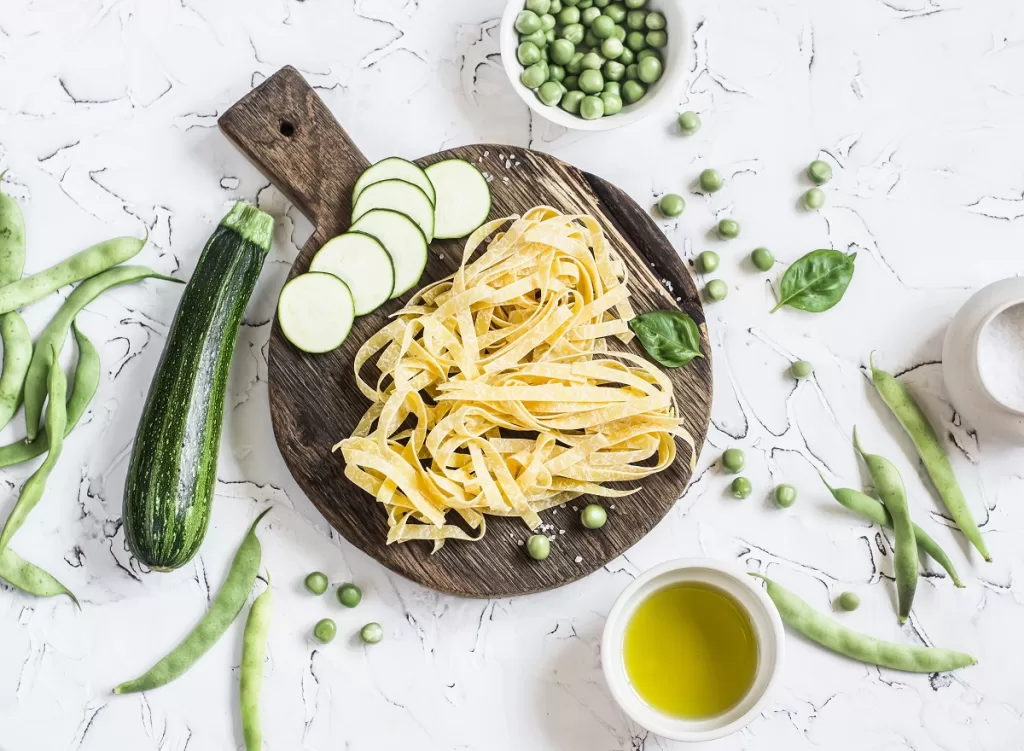
I knew something was deeply wrong with our food culture the night I made a simple, nourishing dinner for my family — organic pasta tossed with zucchini, yellow squash, a little chicken broth, and a sprinkle of parmesan.
A warm, home‑cooked meal.
Vegetables.
Real food.
Nothing processed.
Nothing extreme.
And yet… I got pushback.
“Too many carbs.”
“I shouldn’t eat pasta.”
“I’m trying to be good.”
This, after a weekend of pizza, alcohol, sandwiches from a sandwich shop – protein drinks, energy drinks, and barely a vegetable or fruit in sight.
I remember standing there thinking:
How did we get here?
How did we reach a point where a bowl of vegetables and broth is “bad,” but protein powders, energy drinks, and fast food are normal?
How did we become so afraid of real food — especially starches — that we’ve lost all common sense?
That moment is what inspired this piece. Because the war on starch isn’t just a diet trend. It’s a cultural belief system that has shaped how we think about digestion, blood sugar, weight, and metabolic health. And it’s hurting people.
So, let’s talk about how we got here — and how we can find our way back.
Somewhere along the way, we stopped trusting our food.
We stopped trusting our bodies.
And we stopped trusting the wisdom that nourished humans for thousands of years.
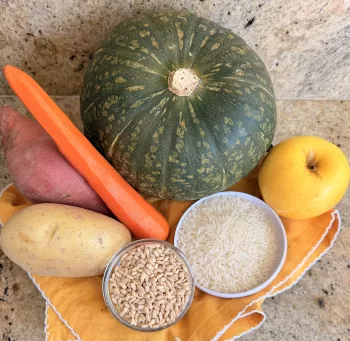
Instead, we learned to fear potatoes, rice, carrots, peas, oats, beans, lentils, and whole grains — the very foods that sustained entire civilizations. We were told to “avoid anything white,” to fear “carbs,” and to believe that starchy vegetables were the enemy of blood sugar, weight, and metabolic health.
Meanwhile, ultra‑processed foods, sugary drinks, industrial oils, and sedentary lifestyles quietly reshaped our health from underneath us.
We didn’t just lose our metabolic health.
We lost our common sense.
Let’s take a step back and look at what happened.
Before the Epidemic: What Traditional Diets Really Looked Like
Three of the world’s largest populations — China, India, and the United States — all shared something in common before the rise of obesity and diabetes:
They ate starch‑based diets.
China (before the 1980s)
Research shows that China’s traditional diet was high in carbohydrates, low in fat, and rich in vegetables and legumes — with extremely low rates of diabetes and obesity
(Zhai et al., 2014 (pubmed.ncbi.nlm.nih.gov in Bing);
Du et al., 2002 (pubmed.ncbi.nlm.nih.gov in Bing)).
India (before the 1980s)
India’s traditional diets centered around millets, lentils, rice, wheat, vegetables, and modest dairy — with low metabolic disease
(Shetty, 2002 (pubmed.ncbi.nlm.nih.gov in Bing)).
United States (before the 1970s)
Americans ate potatoes, bread, oats, rice, beans, and vegetables — with far less processed food and far more movement.
Long‑term lifestyle studies confirm that the rise in obesity correlates with processed foods, sugar, and sedentary living, not traditional starches
(Mozaffarian et al., 2011 (nejm.org in Bing)).
The shared truth:
These cultures thrived on real, whole, starchy foods — not despite them, but because of them.
What Actually Changed in our Diets?
The metabolic crisis didn’t begin when people ate rice or potatoes.
It began when traditional diets were replaced by:
ultra‑processed foods
refined flours
Industrial Seed Oils
sugary beverages
Fast food
larger portions
sedentary lifestyles
chronic stress
less sleep
less home cooking
This global shift — known as the nutrition transition — is well documented (Popkin, 1999 (pubmed.ncbi.nlm.nih.gov in Bing); Popkin & Gordon-Larsen, 2004 (pubmed.ncbi.nlm.nih.gov in Bing)).
China and India underwent this shift rapidly in the 1980s–2000s.
The U.S. underwent it earlier and more aggressively.
And metabolic disease rose everywhere — without any change in the biology of rice, wheat, potatoes, or legumes.
The Problem with Modern Diabetes Advice
People with prediabetes or diabetes are often told to avoid:
carrots
peas
potatoes
rice
whole grains
beans
lentils
Why? Because of glycemic spike charts that look at foods in isolation — not in real meals, not in real portions, and not in real life.
Yet research shows that glycemic load, meal composition, and fiber matter far more than the glycemic index alone
(Jenkins et al., 2002 (pubmed.ncbi.nlm.nih.gov in Bing); Livesey, 2003 (pubmed.ncbi.nlm.nih.gov in Bing)).
A bowl of white rice eaten alone is not the same as rice eaten with lentils, vegetables, and ghee.
A baked potato is not the same as fries.
Carrots are not candy.
Yet we treat them as if they are.
Cultural Bias in Nutrition Advice
Asian Americans are routinely told to avoid rice and noodles — the foods their ancestors thrived on — while no one warns them with equal force about:
white bread
sugary coffee drinks
fried foods
processed snacks
energy drinks
oversized restaurant portions
sedentary lifestyles
This is not science.
This is cultural bias disguised as nutrition.
And it harms people.
Why Vegetarians and Vegans Might Still Gain Weight or Develop Diabetes
A vegetarian or vegan diet is not automatically healthy. You can absolutely gain weight or develop blood sugar issues on a plant‑based diet if it is:
high in refined grains
high in sugar
high in fried foods
high in industrial oils
high in processed vegan products
low in vegetables
low in fiber
paired with sedentary living
Studies confirm that plant‑based diets can be protective, but only when they emphasize whole foods — not processed ones (Satija et al., 2016 (pubmed.ncbi.nlm.nih.gov in Bing); Turner-McGrievy et al., 2015 (pubmed.ncbi.nlm.nih.gov in Bing)).
So when critics say, “Vegetarians are overweight because of rice and wheat,” they’re missing the real picture.
It’s not the rice.
It’s the refinement, the oils, the sugar, the portion sizes, and the loss of traditional balance.
The Wheat Question: U.S. vs Europe
There’s a belief that American wheat is “genetically modified” or “higher in gluten” than European wheat. Here’s what’s actually true:
True:
U.S. bread often contains additives banned in Europe
(see EFSA food additive regulations).
Industrial milling strips fiber and nutrients.
Modern wheat varieties are bred for yield, not digestibility
(Brouns et al., 2013).
Many people tolerate sourdough or stone‑ground wheat better
(De Angelis et al., 2006).
Not true:
U.S. wheat is not genetically modified.
Gluten content has not dramatically increased.
European wheat is not inherently healthier — the processing is different.
Again, the issue is not the grain.
It’s what we’ve done to it.
Again, to address the widespread belief that wheat in the United States is “genetically modified,” I will tell you why this is not true. There is currently no commercially grown GMO wheat in the U.S. (Wikipedia contributors, Genetically modified wheat, 2026; Clark, John. (Dec. 29, 2025).
What is true is that modern wheat has been selectively bred — through traditional plant breeding, cross‑pollination, and hybridization — to improve yield, baking performance, and disease resistance. This is the same natural process used for thousands of years to develop fruits, vegetables, and grains. It is not genetic engineering, and it does not involve inserting foreign DNA (International Wheat Genome Sequencing Consortium, 2018 (nature.com).
The real issue is not the wheat plant itself, but how wheat is processed: industrial milling that removes the bran and germ, additives used in commercial bread production, and the ultra‑processed foods that rely on refined flour. These factors — not the grain — are what affect digestibility and metabolic health (Monteiro et al., 2025).
The Belief System Around “Carbs” — And How It Overrides Common Sense
One of the biggest obstacles I see in clinic isn’t blood sugar itself — it’s the belief system people have built around the words carbs, carbohydrates, starches, and starchy foods. These words trigger fear, guilt, and emotional reactions that have nothing to do with physiology or evidence.
People don’t just avoid starches because they think it’s healthier. They avoid them because they’ve been taught to feel morally wrong for eating them.
And once a belief becomes emotional, it becomes very hard to dislodge — even when the evidence contradicts it.
I see this all the time.
A real example from my clinic
I once had a patient with:
stomach upset, nausea, loose, urgent stools, cramping, bladder pain from interstitial cystitis.
I gave her a recipe for white rice congee — one of the gentlest, most soothing, most digestible foods on the planet. It’s a staple in Chinese medicine and widely used in clinical nutrition for digestive recovery (Chen et al., 2016 (pubmed.ncbi.nlm.nih.gov in Bing) (bing.com in Bing)).
When she returned, she said:
“It was so hard to digest. I felt terrible after eating it.”
This is extremely rare, so I asked more questions.
It turned out that a well‑meaning family member had prepared it for her — but decided to “improve” the recipe by substituting a dense, fibrous whole grain because they believed white rice had “too much starch” and wasn’t healthy enough.
The problem wasn’t the starch.
The problem was that the grain they used was far too tough and fibrous for her inflamed digestion.
Research confirms that soluble, low‑fiber starches are easier to digest during GI distress (McRorie & McKeown, 2017 (pubmed.ncbi.nlm.nih.gov in Bing) (bing.com in Bing)).
She tried the recipe again, exactly as written, with white rice. And it helped immediately.
This is what fear‑based nutrition does: It overrides common sense. It overrides clinical guidance. It overrides the body’s needs.
Starch Isn’t the Enemy — It’s Often the Soluble Fiber We Need
The point of this article isn’t to argue about white vs brown rice, or which grain is “best.” It’s to remind us that we need a variety of fibers:
Soluble fiber (often starchy):
sweet potatoes
carrots
peas
oats
beans
lentils
squash
rice
barley
millet
Soluble fiber forms a gel, soothes the gut, stabilizes blood sugar, and supports the microbiome (Slavin, 2013 (pubmed.ncbi.nlm.nih.gov in Bing) (bing.com in Bing)).
Insoluble fiber (less starchy):
leafy greens
cabbage
celery
whole wheat
wheat bran
wheat berries
skins of fruits/vegetables
cruciferous vegetables
whole‑grain bran cereals
Insoluble fiber adds bulk, speeds transit time, and supports regularity. Wheat bran is one of the most studied and effective insoluble fibers for improving stool form and frequency (McRorie & McKeown, 2017 (pubmed.ncbi.nlm.nih.gov in Bing) (bing.com in Bing) (bing.com in Bing)).
We need both soluble and insoluble fiber — not one or the other.
And yet, the foods richest in soluble fiber — the gentle, starchy ones — are the very foods people fear.
A note on non‑gluten grains
Many people today choose non‑gluten grains — sometimes because of celiac disease or wheat allergy, but more often because of digestive sensitivity, personal preference, or the belief that gluten‑free grains are inherently “healthier.”
Non‑gluten grains can absolutely be part of a nourishing, balanced diet. They offer a mix of soluble and insoluble fibers, minerals, and gentle starches that support digestion and metabolic health.
Common non‑gluten grains include:
rice (white, brown, jasmine, basmati)
oats (certified gluten‑free if needed)
millet
sorghum
buckwheat
quinoa
amaranth
teff
These grains are well‑tolerated by many people and can be rotated with wheat‑based grains to support variety, digestive comfort, and nutrient diversity. Research shows that whole‑grain diversity — not strict avoidance of any one grain — is associated with better metabolic and digestive outcomes (Aune et al., 2016 (pubmed.ncbi.nlm.nih.gov in Bing) (bing.com in Bing) (bing.com in Bing)).
The key is not to fear wheat or glorify gluten‑free foods — but to choose the grains that feel best in your body, support your digestion, and fit your cultural and personal preferences.
A Simple Self‑Experiment That Reveals the Truth
If someone is afraid of starch, here’s a question I often ask:
“What do you think would happen if you ate ½ to 1 sweet potato every day for 5 days? 10 days? 20 days?”
Would you:
gain weight?
become diabetic?
lose control of your blood sugar?
Or would you:
have easier, more regular stools?
feel more satiated?
have fewer cravings?
feel calmer and more grounded?
Sweet potatoes are rich in soluble fiber and resistant starch, both of which support metabolic health (Ludwig et al., 1999 (pubmed.ncbi.nlm.nih.gov in Bing) (bing.com in Bing)).
Most people discover the opposite of what they fear.
What About Countries That Eat a Lot of Starch?
People often say, “But starchy foods cause diabetes.”
If that were true, then countries that eat a lot of starchy foods — like Japan and Korea, where sweet potatoes, rice, and noodles are staples — would have the highest diabetes rates in the world.
They don’t.
Japan and Korea historically had very low diabetes rates despite high carbohydrate intake (Yoon et al., 2006 (pubmed.ncbi.nlm.nih.gov in Bing) (bing.com in Bing); Nakamura et al., 2018 (pubmed.ncbi.nlm.nih.gov in Bing) (bing.com in Bing)).
Their diabetes rates only began rising as:
sugar intake increased
fried foods became common
Western fast food spread
sedentary lifestyles increased
processed snacks replaced traditional meals
This pattern mirrors the global nutrition transition (Popkin, 1999; Popkin & Gordon-Larsen, 2004).
It wasn’t the sweet potatoes. It wasn’t the rice. It wasn’t the noodles.
It was the shift away from traditional diets.
The Real Question
It’s becoming harder and harder to differentiate what people are actually eating in modern life:
How much real food?
How much processed food?
How much sugar?
How much fried food?
How much alcohol?
How much movement?
How much stress?
How much sleep?
When someone says, “Carrots spike my blood sugar,” or “Rice makes me gain weight,” or “Sweet potatoes are too starchy,” we have to ask:
Compared to what? And in what context?
Because the truth is: Starch is not the cause of metabolic disease. Fear of starch is the cause of nutritional confusion.
Resistant Starch: What It Is, Why It Matters, and How to Increase It
Sweet potatoes are rich in soluble fiber and resistant starch — and resistant starch deserves its own moment of clarity because it is one of the most misunderstood (and beneficial) forms of carbohydrate.
What is resistant starch?
Resistant starch is a type of starch that resists digestion in the small intestine and instead ferments in the colon, feeding beneficial gut bacteria. It acts more like soluble fiber than like a typical carbohydrate.
Research shows resistant starch can:
improve insulin sensitivity
lower post‑meal glucose
support healthy gut flora
increase satiety
reduce inflammation
(Birt et al., 2013 (pubmed.ncbi.nlm.nih.gov in Bing) (bing.com) (bing.com in Bing))
It is one of the reasons traditional starch‑based cultures have such stable metabolic health.
Where do we find resistant starch?
Resistant starch occurs naturally in:
sweet potatoes
white potatoes
white rice
oats
beans
lentils
peas
barley
green bananas
plantains
And here’s the part most people don’t know:
You can increase resistant starch in foods by cooking, cooling, and reheating them.
How to increase resistant starch in rice and potatoes
When you cook a starchy food, the starch granules swell. When you cool it, the starch retrogrades — meaning it reorganizes into a form that resists digestion. When you reheat it, the resistant starch remains.
This process is called retrogradation, and it significantly increases the amount of resistant starch (Behall et al., 2002 (pubmed.ncbi.nlm.nih.gov in Bing) (bing.com) (bing.com in Bing)).
Practical examples:
Cook white rice → cool overnight → reheat → more resistant starch
Cook white potatoes → cool → reheat → more resistant starch
Make potato salad or rice salad → high resistant starch
Reheated leftovers → often better for blood sugar than freshly cooked starches
This is one reason why many traditional cultures eat day‑old rice, rice porridge, congee, potato dishes, and stews — not just for convenience, but because the food becomes gentler and more metabolically stable.
Brief Explanation: Starches vs. Soluble Fiber
It’s easy to confuse starch with soluble fiber because many foods that contain soluble fiber also contain starch — but they are not the same thing.
Starch: Starch is a carbohydrate stored in plants. It breaks down into glucose during digestion (unless it becomes resistant starch). Starch provides:
- energy
- satiety
- gentle nourishment when cooked well
- is the base of many traditional diets
Starch is found in foods like:
rice
potatoes
sweet potatoes
oats
beans
lentils
squash
wheat and other grains
Soluble fiber
Soluble fiber is a type of fiber that dissolves in water and forms a gel. It:
- slows digestion
- stabilizes blood sugar
- feeds beneficial gut bacteria
- soothes the gut lining
- improves stool form
Soluble fiber is found in:
oats
beans
lentils
sweet potatoes
carrots
peas
barley
some fruits
How they overlap — and why people confuse them
Many foods that contain soluble fiber also contain starch (like sweet potatoes, oats, beans, and lentils). This is why people often think “starch = soluble fiber.”
But here’s the key:
Starch is a carbohydrate. Soluble fiber is a type of fiber. They can exist in the same food, but they behave differently in the body.
Why this matters for digestion and blood sugar
Starch provides energy and can be very gentle when cooked well.
Soluble fiber slows the absorption of that starch, making the meal more stable for blood sugar.
Resistant starch (a type of starch) behaves more like soluble fiber and supports gut health.
This is why traditional meals — rice with lentils, potatoes with vegetables, oats with fruit — work so well. They naturally combine starch + soluble fiber + resistant starch in a balanced way.
A quick note for anyone who panics when they see the word “glucose”
If the word glucose makes you want to avoid all starches, you’re not alone — this fear has been building since the 1970s. But here’s the truth:
Every cell in your body runs on glucose. Your brain runs almost entirely on glucose. Your muscles store glucose as glycogen. Your red blood cells must have glucose.
Glucose is not the enemy. Unregulated spikes are the issue — and those spikes come mostly from ultra‑processed foods, not from whole, cooked starches.
Here’s what most people don’t realize:
- Starches do not behave like “sugar” in the body
Whole-food starches come packaged with:
soluble fiber
resistant starch
water
minerals
phytonutrients
These slow digestion, stabilize blood sugar, and create a steady release of glucose — not a spike.
- Fiber changes everything
The soluble fiber and resistant starch in foods like:
sweet potatoes
oats
beans
lentils
rice
squash
slow the release of glucose, support the microbiome, and improve insulin sensitivity.
This is why traditional cultures eating high‑starch diets had excellent metabolic health.
- Resistant starch acts like soluble fiber
When starch cools and retrogrades, it becomes resistant starch, which:
lowers the glycemic response
improves insulin sensitivity
feeds beneficial gut bacteria
stabilizes energy
This is why cooled and reheated rice or potatoes are often better for blood sugar than freshly cooked ones.
- You need glucose to live
Avoiding glucose entirely is not only impossible — it’s harmful.
Your body will make glucose from protein if you don’t eat enough carbohydrates. This is stressful, inflammatory, and metabolically inefficient.
Many people believe the ketogenic diet, “burns fat,” but what’s actually happening is more complex. Yes, the body produces ketones from fat when carbohydrates are very low — but it also increases gluconeogenesis, a liver pathway that converts amino acids into glucose. This means the body may break down dietary protein and, if needed, muscle tissue to maintain essential glucose levels. Keto often works short‑term because people cut out ultra‑processed foods, lose water weight, and experience fewer blood sugar swings — not because starches are harmful. Long‑term, relying on gluconeogenesis can increase stress hormones, reduce metabolic flexibility, and impact muscle, thyroid, and gut health. It’s another example of our cultural tendency to swing toward extremes instead of embracing balanced, whole‑food nourishment.
The Hidden Cost: What People Don’t Realize
Long‑term keto can lead to:
muscle loss
reduced metabolic rate
increased cortisol
impaired thyroid function
constipation
gut microbiome disruption (no fiber!)
nutrient deficiencies
menstrual cycle disruption
increased LDL in some individuals
And the biggest one:
Loss of metabolic flexibility
The body becomes less able to handle carbs when reintroduced.
This is why people “gain weight instantly” when they stop keto — their metabolism has lost its adaptability.
- The real problem is ultra‑processed foods
The rise in metabolic disease correlates with:
refined grains
added sugars
industrial oils
processed snacks
fast food
sedentary lifestyles
Not with whole-food starches.
This is why Japan, Korea, and Okinawa — all high‑starch cultures — historically had some of the lowest diabetes rates in the world.
The Real Drivers of Metabolic Disease
Let’s be clear about what drives obesity, diabetes, fatty liver, PCOS, heart disease, and chronic inflammation:
ultra‑processed foods
refined oils
sugary beverages
chronic stress
poor sleep
sedentary lifestyles
oversized portions
constant snacking
loss of traditional cooking
eating without vegetables, broth, or fiber
eating too fast, too late, too often
Not:
rice, potatoes, carrots, peas, beans, lentils, oats, whole wheat.
**Fearing the Staples: How We Lost Trust in the Foods That Once Kept Us Well**
For thousands of years, human health was built on simple, whole, reliable staples: wheat, rice, corn, potatoes, beans, lentils, peas, roots, tubers, and seasonal vegetables. These foods nourished entire civilizations. They supported metabolic stability, digestive resilience, and long‑term health across cultures.
Yet today, these same staples are the foods people fear the most.
We blame wheat for bloating, rice for weight gain, potatoes for blood sugar spikes, beans for digestive distress, and grains for inflammation. Meanwhile, we rarely question the restaurant meals, protein powders, supplements, bars, shakes, seed oils, and ultra‑processed foods we consume without hesitation.
This fear of staples didn’t come from physiology.
It came from **marketing, media narratives, and a cultural shift away from real food**.
Let’s break down the biggest misconceptions.
**Corn and Soy: The Most Genetically Engineered Crops in the U.S.**
In the United States, **corn and soy are the most genetically engineered crops**, with adoption rates above 90%. They show up everywhere:
– corn oil
– soy oil
– soy lecithin
– corn starch
– corn syrup
– HFCS
– soy protein isolate
– processed snacks
– packaged foods
– infant formula
– protein bars and shakes
Most Americans eat corn and soy **daily** without realizing it.
Yet these are not the traditional forms eaten in cultures where these foods are nourishing:
– nixtamalized corn (masa, hominy)
– fermented soy (miso, natto, tempeh, tamari)
When eaten as **non‑GMO, traditionally prepared foods**, corn and soy can be deeply nourishing.
It’s the industrialization — not the plant — that causes harm.
**The World’s Staple Foods: Wheat, Rice, Corn, Potatoes, Beans, Lentils, Peas, Legumes**
Across continents and centuries, these foods fed billions:
– **Rice** in Asia and the Pacific
– **Wheat** in Europe, the Middle East, and the Americas
– **Corn** in the Americas and Africa
– **Potatoes** in the Andes and Europe
– **Beans and lentils** across Asia, Africa, and the Mediterranean
These foods are:
– nutrient‑dense
– fiber‑rich
– mineral‑rich
– microbiome‑supportive
– metabolically stabilizing
– inexpensive
– accessible
– culturally central
Yet in the U.S., we’ve been taught to fear them — especially wheat and potatoes.
**Why More People Go Gluten‑Free Than Soy‑Free or Corn‑Free**
This is the irony:
– Wheat is **not** genetically engineered.
– Wheat is **not** the most industrialized crop.
– Wheat is **not** the most hidden ingredient in processed foods.
Yet wheat is the food people fear most.
Why?
Because:
– “gluten‑free” became a billion‑dollar industry
– books like *Wheat Belly* and *Grain Brain* shaped public fear
– gluten intolerance became a cultural identity
– wheat is easy to blame because it’s everywhere
– carbs became the enemy
– weight‑loss marketing demonized bread and pasta
Meanwhile:
– people eat corn and soy constantly
– people rarely question soy oil, corn oil, HFCS, or soy protein isolate
– people don’t realize these are the **real** industrial foods driving metabolic dysfunction
This is the marketing sleight‑of‑hand that shaped our beliefs.
**Wheat and Potatoes Are Not Major GMO Crops**
Despite public fear:
– **Wheat is not genetically engineered**
– **Potatoes have some GE varieties but are not widely adopted**
Yet both foods are treated as if they are toxic.
In reality:
– wheat has been **selectively bred**, not genetically engineered
– potatoes are nutrient‑dense, high in potassium, fiber, and resistant starch
– both foods become problematic only when **fried, processed, or drowned in toppings**
Which leads to the next point…
**Why Potatoes Were Once a “Diet Food” — and Why That Changed**
In the 1970s and 80s, potatoes were considered:
– filling
– low‑calorie
– high‑fiber
– nutrient‑dense
– a healthy base for meals
Then the narrative shifted.
Why?
Because the way Americans ate potatoes changed:
– French fries
– hash browns
– chips
– loaded baked potatoes
– cheese sauce
– bacon
– sour cream
– excessive butter
– fast‑food portions
Potatoes didn’t change.
**The toppings and preparation did.**
And yes — a small amount of fat (like butter) can actually **lower the glycemic impact** of potatoes, just like vinegar, tomatoes, or fiber.
The potato was never the problem.
The Real Issue: Microbiome Dysfunction, Not the Staple Food**
Many people who “can’t digest wheat” or “react to grains” are not reacting to the grain itself — they’re reacting to:
– dysbiosis
– SIBO
– low digestive fire
– impaired stomach acid
– disrupted microbiome
– inflammation
– stress
– ultra‑processed diets
In these cases, the staple food becomes the **messenger**, not the cause.
This is why my Gut Reset & Rebuild Diet works:
It restores the internal environment so the body can tolerate real food again.
Of course, some people genuinely struggle with certain foods — Celiac disease, dairy intolerance, and sensitivities to grains or legumes are real. But even then, the food itself is rarely the whole story. Digestive reactions often reflect the state of the internal environment: a microbiome out of balance, SIBO, low digestive fire, inflammation, or patterns described in East Asian medicine such as dampness, dryness, cold, heat, stagnation, deficiency, or toxic accumulation. When we address the internal climate — not just eliminate the food — people often regain tolerance and resilience.
When we recognize that most food reactions arise from dysbiosis, inflammation, or internal climate patterns—not from the staple foods themselves—we reclaim our ability to eat with clarity instead of fear. This is the turning point. This is where the noise of modern nutrition fades, and we return to something far more trustworthy: common sense.
Returning to Common Sense
Real food is not the enemy.
Starch is not the enemy.
Your body is not the enemy.
What works — and has always worked — is simple:
Balanced meals
Starch + vegetables + protein + fat.
Warm, cooked, digestible foods
Soups, stews, porridges, broths, stir‑fries.
Fiber and soluble starch
Root vegetables, legumes, oats, beans.
Movement
A walk after meals does more for blood sugar than any food fear
(Reynolds et al., 2022 (pubmed.ncbi.nlm.nih.gov in Bing)).
Cultural foods
Rice, pasta, potatoes, bread — when eaten in traditional ways — are not the problem.
A Clinician’s Perspective: Digestion Is the Root of Metabolic Health
As an acupuncturist and integrative wellness practitioner, I see every day that:
Digestion is the foundation of metabolic health.
Warm, cooked foods regulate blood sugar better than cold smoothies.
Soluble fiber from root vegetables calms inflammation.
Broths and soups soothe the gut and stabilize energy.
Balanced meals prevent cravings and overeating.
This is why my Elemental Nourishment books emphasize:
teas
broths
soups
porridges
balanced meals
seasonal eating
digestive support
These are not fad‑diet foods.
These are human foods.
Find my books Elemental Nourishment and Recipes for Elemental Nourishment at https://www.livingwelldrmichele.com/books
A Return to Real Food
We are not sick because we ate rice.
We are not overweight because we ate potatoes.
We are not diabetic because we ate carrots or peas.
We are sick because we replaced real food with industrial food.
We are confused because we replaced cultural wisdom with diet culture.
We are fearful because we replaced common sense with carb charts.
It’s time to return to what nourished us for generations:
Real food.
Balanced meals.
Warm digestion.
Cultural wisdom.
Common sense.
And a little starch — used wisely, cooked lovingly, and eaten without fear.
With warmth and gratitude,
Dr. Michele Arnold
Doctor of Acupuncture & Herbal Medicine.
📚 Sources & Further Reading
Global Nutrition Transition & Rise of Metabolic Disease
- Popkin, B. M. (1999). Urbanization, Lifestyle Changes and the Nutrition Transition. World Development.
- Popkin, B. M., & Gordon-Larsen, P. (2004). The nutrition transition: worldwide obesity dynamics and their determinants. International Journal of Obesity.
- Misra, A., & Khurana, L. (2008). Obesity and the metabolic syndrome in developing countries. Journal of Clinical Endocrinology & Metabolism.
China: Traditional Diet vs Modern Diet
- Zhai, F. et al. (2014). Dynamics of the Chinese diet and the role of urbanization. Obesity Reviews.
- Chen, C. M. (2008). Overview of obesity in Mainland China. Obesity Reviews.
- Du, S. et al. (2002). The nutrition transition in China: a cross-sectional analysis. European Journal of Clinical Nutrition.
India: Dietary Shifts, Refined Grains, and Diabetes
- Shetty, P. (2002). Nutrition transition in India. Public Health Nutrition.
- Mohan, V. et al. (2018). White rice consumption and risk of type 2 diabetes in India. BMJ Open Diabetes Research & Care.
- Radhika, G. et al. (2009). Refined grain consumption and metabolic syndrome in urban Asian Indians. Metabolism.
United States: Processed Foods, Obesity, and Dietary Patterns
- Mozaffarian, D. et al. (2011). Changes in diet and lifestyle and long-term weight gain in women and men. New England Journal of Medicine.
- Ludwig, D. S. (2016). The glycemic index: physiological mechanisms relating to obesity, diabetes, and cardiovascular disease. JAMA.
- Monteiro, C. A. et al. (2018). Ultra-processed foods: what they are and how to identify them. Public Health Nutrition.
Glycemic Load, Meal Composition, and Blood Sugar
- Jenkins, D. J. et al. (2002). Glycemic index: overview of implications in health and disease. American Journal of Clinical Nutrition.
- Livesey, G. (2003). Glycemic response and health: glycemic index, glycemic load, and glycemic response. Nutrition Research Reviews.
- Wolever, T. M. (2006). The Glycemic Index: A Physiological Classification of Dietary Carbohydrate.
Vegetarian/Vegan Diets & Metabolic Health
- Satija, A. et al. (2016). Plant-based diets and the risk of type 2 diabetes. PLOS Medicine.
- Turner-McGrievy, G. et al. (2015). Comparative effectiveness of plant-based diets for weight loss. Nutrition.
- Singh, P. N. et al. (2014). Plant-based diets and metabolic health in South Asians. Nutrition Reviews.
Wheat, Gluten, and Processing Differences
- Brouns, F. et al. (2013). Does modern wheat contain more gluten than older varieties? Journal of Cereal Science.
- De Angelis, M. et al. (2006). Sourdough fermentation reduces gluten content and improves digestibility. Applied and Environmental Microbiology.
- European Food Safety Authority (EFSA). Food additives regulations (for comparison with U.S. bread additives).
Movement, Post‑Meal Walking, and Blood Sugar
- Reynolds, A. N. et al. (2022). Breaking up prolonged sitting with light walking improves postprandial glucose. Sports Medicine.
- Colberg, S. R. et al. (2016). Physical activity/exercise and diabetes: a position statement of the American Diabetes Association. Diabetes Care.
Fiber, Soluble vs Insoluble, Wheat Bran
- McRorie, J.W., & McKeown, N.M. (2017). Understanding the physics of functional fibers in the gastrointestinal tract. (pubmed.ncbi.nlm.nih.gov in Bing) https://www.bing.com/search?q=pubmed+insoluble+fiber+wheat+bran+digestive+health (bing.com in Bing)
- Slavin, J. (2013). Fiber and prebiotics: Mechanisms and health benefits. (pubmed.ncbi.nlm.nih.gov in Bing) Resistant Starch
- Birt, D.F. et al. (2013). Resistant starch: Promise for improving human health. (pubmed.ncbi.nlm.nih.gov in Bing) https://www.bing.com/search?q=pubmed+resistant+starch+health+benefits (bing.com in Bing)
- Behall, K.M. et al. (2002). Retrograded starch and glycemic response. (pubmed.ncbi.nlm.nih.gov in Bing) https://www.bing.com/search?q=pubmed+retrograded+starch+rice+potatoes (bing.com in Bing)
Rice Congee / Digestive Recovery
- Chen, H. et al. (2016). Rice porridge and digestive tolerance. (pubmed.ncbi.nlm.nih.gov in Bing) https://www.bing.com/search?q=pubmed+rice+porridge+digestive+health (bing.com in Bing)
Whole Grains, Variety, and Metabolic Health
- Aune, D. et al. (2016). Whole grain consumption and health outcomes. (pubmed.ncbi.nlm.nih.gov in Bing) https://www.bing.com/search?q=pubmed+whole+grains+health+benefits (bing.com in Bing)
Nutrition Transition (Global Rise in Metabolic Disease)
- Popkin, B.M. (1999). The nutrition transition and obesity. (pubmed.ncbi.nlm.nih.gov in Bing) https://www.bing.com/search?q=pubmed+nutrition+transition+Popkin (bing.com in Bing)
- Popkin, B.M., & Gordon-Larsen, P. (2004). Global nutrition transition and chronic disease. (pubmed.ncbi.nlm.nih.gov in Bing) https://www.bing.com/search?q=pubmed+nutrition+transition+chronic+disease (bing.com in Bing)
Japan & Korea Diabetes Trends
- Yoon, K.H. et al. (2006). Diabetes trends in Korea and East Asia. (pubmed.ncbi.nlm.nih.gov in Bing) https://www.bing.com/search?q=pubmed+diabetes+trends+Korea (bing.com in Bing)
- Nakamura, J. et al. (2018). Diabetes prevalence and lifestyle changes in Japan. (pubmed.ncbi.nlm.nih.gov in Bing)
Ultra‑Processed Foods (the real culprit)
Monteiro C, Louzada M, Steele-Martinez E et al.
Ultra-processed foods and human health: the main thesis and the evidence
The Lancet, 2025; 406, 2667-2684
Wheat Is Not Genetically Modified
- Wikipedia contributors. “Genetically modified wheat.” Wikipedia, The Free Encyclopedia. https://en.wikipedia.org/wiki/Genetically_modified_wheat Accessed June 18, 2026.
- Food Blog Alliance. Clark, John. (Dec. 29, 2025). Is Wheat Bioengineered? https://foodblogalliance.com/is-wheat-bioengineered/ Accessed June 18, 2026.
- For years we’ve been taught to fear the very foods that once kept humans nourished, resilient, and metabolically stable. Rice, grains, beans, lentils, sweet potatoes, tubers, roots, mushrooms, seaweed, herbs, and spices — the foundational ingredients of teas, broths, porridges, soups, and stews — have been pushed aside in favor of supplements, powders, and restaurant meals we somehow trust more than real food all the while wondering why we continue to grow sicker and fatter This pre‑article explains why we became afraid of these nutrient‑dense staples, and offers the research, physiology, and common sense behind the Gut Reset & Rebuild diet and Elemental Nourishing recipes I use in clinical practice.
Fearing the Staples
- Gedgaudas, Nora T. Primal Body, Primal Mind: Beyond the Paleo Diet for Total Health and a Longer Life. Healing Arts Press, 2011.
- Lin-Liu, Jen. On the Noodle Road: From Beijing to Rome, with Love and Pasta. Riverhead Books, 2013.
This is the book by the Asian American chef who traveled the Silk Road to trace the origins of noodles and explore traditional food cultures.
- Price, Weston A. Nutrition and Physical Degeneration. Paul B. Hoeber, Inc., 1939.
- Pollan, Michael. The Omnivore’s Dilemma: A Natural History of Four Meals. Penguin Press, 2006.
This is the foundational book arguing that humans are omnivores and that our food confusion is cultural, not biological.